More Than a Job: Building a Career at ElectriCom
Updated: Sep 3
How mentorship, structured development and shared responsibility help people build lasting careers.

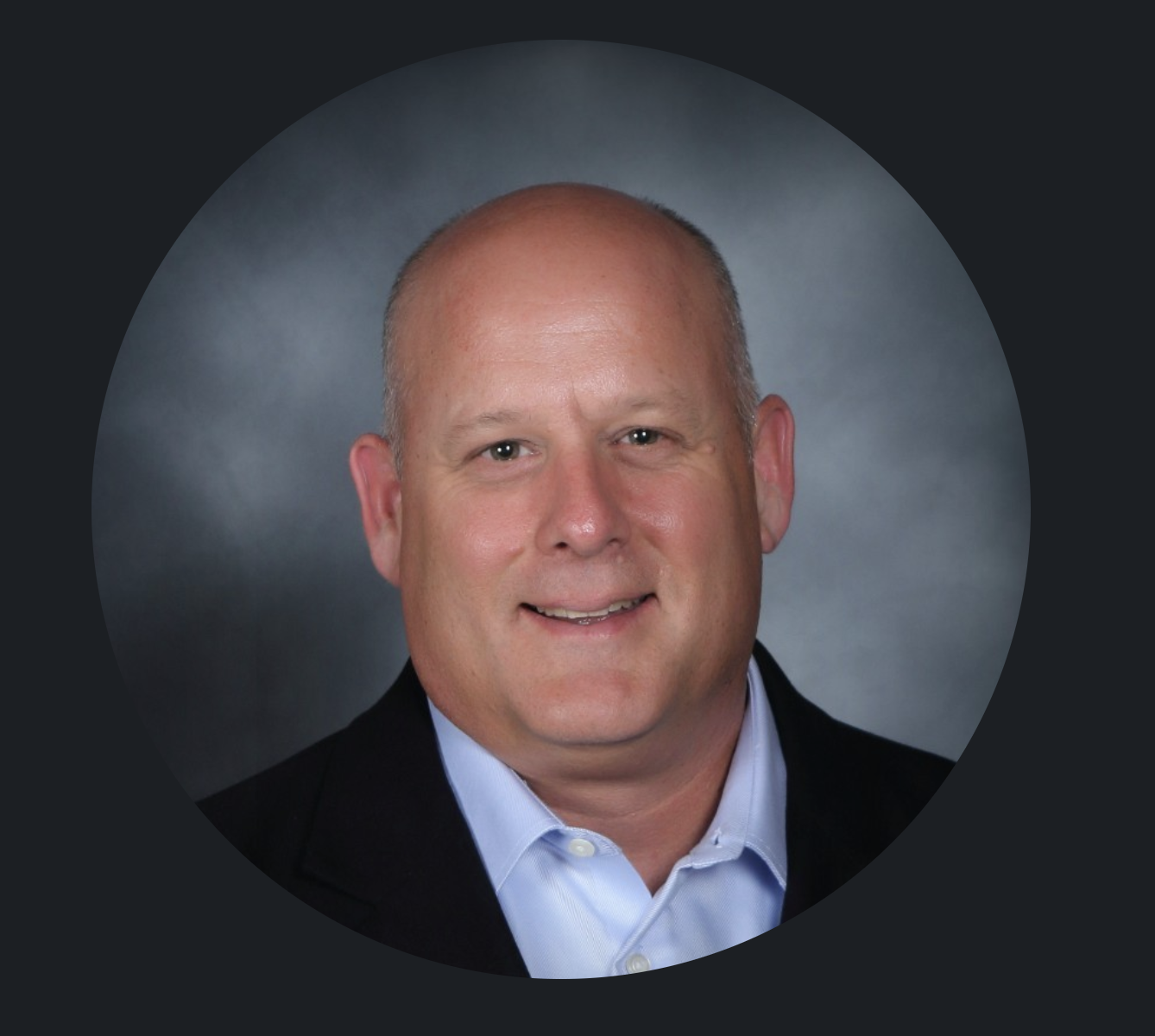
By Steve Putt, Vice President - Human Resources & Risk
A long-term career is rarely built through one promotion or one training course. It develops over time as people gain experience, accept new responsibilities and discover abilities they may not have recognized when they started.
At ElectriCom, we have seen that process unfold across generations. Some members of our senior leadership team have spent decades with the company, and many began in roles very different from the ones they hold today. Their careers reflect something we believe deeply: when people are willing to grow, an organization should be willing to grow with them.
That commitment is one reason someone can build more than a job here. They can build a career at ElectriCom.
Growth Starts in the Field
Some of our strongest career stories begin at the crew level. A person may join ElectriCom as a ground hand, operator or junior grounds person without imagining that they could one day manage crews or oversee construction projects.
The progression does not happen overnight. It starts with learning the work and becoming dependable in the role at hand. In power, for example, someone may earn a CDL, enter a journeyman lineman apprenticeship, become a fully qualified journeyman lineman and then step into a foreman position. As that person develops stronger skills in productivity, efficiency and project planning, the path can continue to general foreman and construction manager.
We have seen similar growth in both our power and telecom operations. I can think of employees who joined ElectriCom in entry-level positions 10 to 15 years ago and are now construction managers or senior construction managers. They first built strong field experience, became more versatile and learned how to lead others. Over six, seven or eight years, the habits they developed for one role prepared them for responsibilities two or three levels beyond it.
Those stories matter because they show what career development really looks like. People do not have to arrive with a complete plan for the next 20 years. They need a willingness to learn, take on challenges and keep asking what the next level requires.
Opportunity Must Be Visible
For many years, development in the trades was informal. A new employee might be told to follow an experienced person, learn by watching and trust that advancement would eventually come. That approach produced many talented craftspeople, but the path could also feel uncertain.
Today, people rightly want clearer answers: What is my next step? What do I need to learn? How long might it take? What opportunities could follow?
ElectriCom’s federally recognized, U.S. Department of Labor-approved apprenticeship programs help answer those questions. They create a concrete pathway for role development, wage growth, competency building and deeper technical expertise. They replace a vague promise with structure, continuity and measurable progress.
That structure also communicates something important to employees: we have an interest in their development when they have an interest in continuing to grow. A career path should not depend on waiting quietly for 10 or 15 years and hoping someone eventually notices. Organizations must be prepared to outline the options, expectations and processes that allow people to move forward.
Mentorship Accelerates Development
Formal programs provide the framework, but people still learn from people. Mentorship is one of the most important parts of talent development because it helps shorten the distance between potential and capability.
A good mentor does not remove the hard work or allow someone to skip essential experience. Instead, a mentor helps another person think through challenges, avoid preventable mistakes and understand why the work is done a certain way. That guidance can save time, frustration and disappointment while accelerating personal and professional growth.
Mentorship works best when both people recognize their responsibility. The mentor must be willing to share knowledge honestly, and the person being mentored must be willing to listen, apply what they learn and remain accountable for their own development.
Leadership Is Bigger Than a Title
Technical ability matters, but the people who become strong leaders at ElectriCom tend to share qualities that go beyond experience. They demonstrate accountability, ownership and a view of success that is bigger than themselves or their department.
A successful department alone cannot make the entire business successful. Our work depends on many groups operating as one connected organization. The strongest leaders understand their own responsibilities while also recognizing how their decisions affect employees, crews, customers, vendors and the company as a whole.
hat broader perspective is strengthened by relationships. At ElectriCom, we work to be dependable relationship holders—not only with customers, but also with employees and vendors. The real test of a relationship comes when someone faces a challenge. Do people retreat into their own silos, or do they step in and help solve the problem together?
That willingness to support one another has helped ElectriCom build relationships with both customers and employees that span decades. In an era when so much thinking is short term, that kind of continuity says something meaningful about the company and the people within it.
Learning the Whole Business
Not every successful employee begins with utility-construction experience. We have seen people enter ElectriCom with expertise in another field and thrive because they were willing to move beyond their comfort zone and learn how the business works.
They ask important questions: How is value created in the field? How does my role support the people doing that work? How do the decisions in my department affect the rest of the organization?
That curiosity turns subject-matter knowledge into organizational value. It also helps people see possibilities beyond the boundaries of their current position. Careers grow when individuals understand not only how to perform a task, but how their work contributes to a shared outcome.
A Career Built Through Shared Commitment
Compensation matters, but it is rarely the only reason someone stays with an organization or chooses to leave. Again and again throughout my career, I have heard people say their most important concern was whether they could continue to grow and develop.
No company can promise that every person will follow the same path or reach the same destination. What ElectriCom can do is provide meaningful work, experienced mentors, structured learning and opportunities for people who demonstrate the work ethic and desire to keep moving forward.
For some, success will mean becoming a highly skilled tradesperson. For others, it may mean leading a crew, managing construction or developing the experience and confidence to pursue an entrepreneurial path. There is no single definition of a successful career.
What matters is that people can see a future, understand what the next step requires and know they will not have to take that step alone. That is how a job becomes a profession, how experience becomes leadership and how someone can build a lasting career at ElectriCom.


How can I join I have 12 years experience